E14 | Live More, Hurt Less with Dr. Sean Pastuch
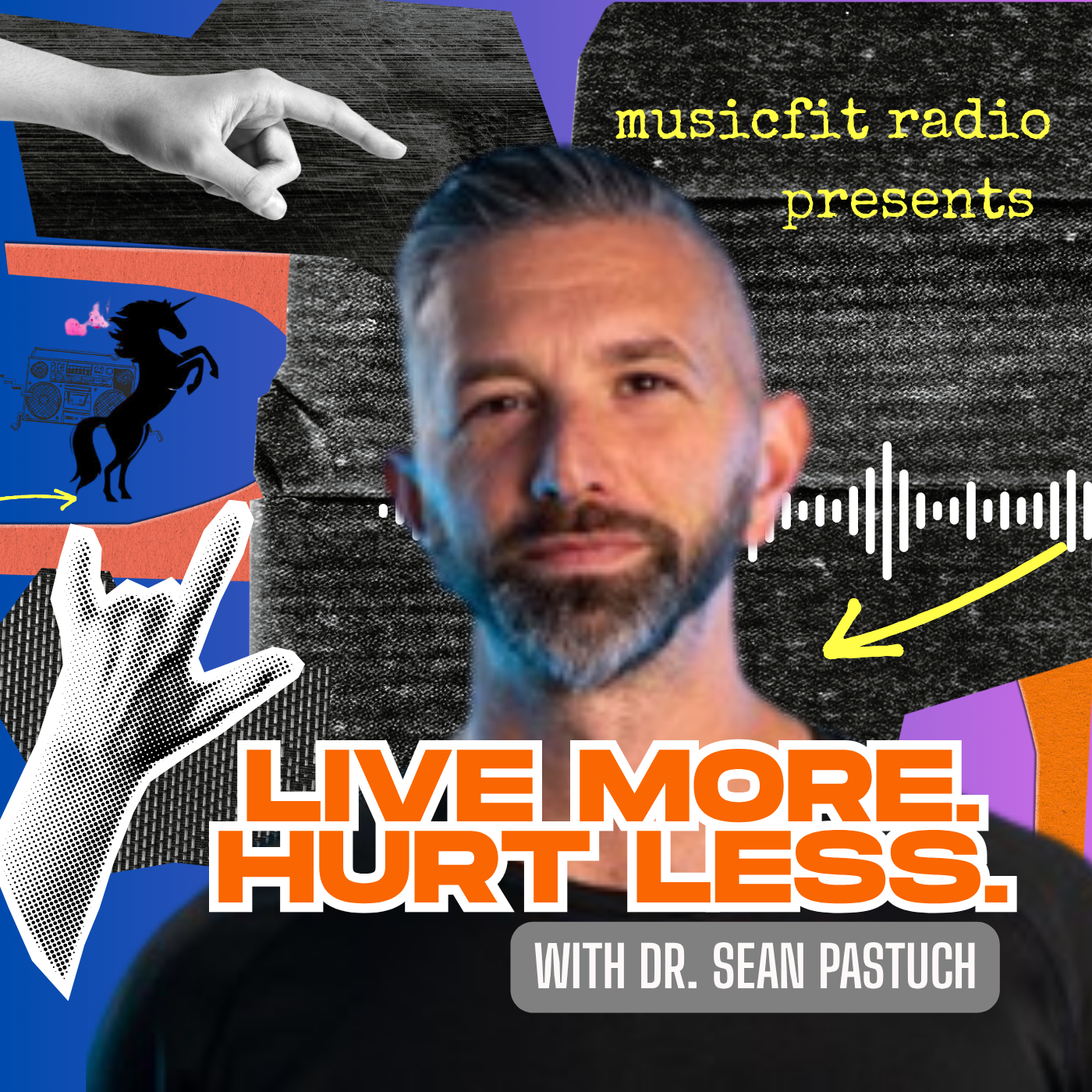


Today we get into it with the absolute pioneer of chronic pain solutions, Dr. Sean Pastuch the Founder + CEO of Active Life Consulting and Author of "Live More. Hurt Less." Chronic pain, and mental wellness in the music industry is a foreign topic for many of you and this episode delves into the impact of pain on artists, what makes Dr. Sean and his team at Active Life different, and the importance of addressing lifestyle factors in pain management.
Dr. Sean highlights the need for a comprehensive approach to injury management and the parallels between athletes, artists and entrepreneurs in managing chronic pain.
The conversation covers topics such as identity, discipline, and the relationship between pain and creativity. We also delve into the importance of building meaningful connections with fans and clients, as well as the value of learning from failure.
Be sure to stick around to the end when Dr. Sean shares his most guilty pleasure when it comes to music, and his insights on the entrepreneurial journey and how over 20 years came together in celebrate the process of writing his book, 'Live More. Hurt Less.'
Takeaways
- Chronic pain is often influenced by lifestyle factors such as sleep, nutrition, stress, and hydration.
- Addressing chronic pain requires a comprehensive approach that considers the individual's lifestyle, work demands, and the need for both progress and maintenance.
- The Active Life hierarchy emphasizes the importance of addressing foundational lifestyle factors before focusing on symptom management and skill development. Identity and the relationship between pain and creativity
- The importance of building meaningful connections with fans and clients
Be sure to follow Dr. Sean on instagram at @drseanpastuch
Grab two copies of his brand new book, "Live more. Hurt Less."
Chapters
- 00:00 The Impact of Pain on Artists and Athletes
- 03:11 The Active Life Hierarchy and Lifestyle Factors
- 06:04 Managing Chronic Pain in Artists and Athletes
- 30:39 Identity and Creativity
- 32:37 The Entrepreneurial Journey
- 47:32 Building Meaningful Connections
- 56:53 Learning from Sports and Combat Training
Mike: Dr. Sean Pastuch, thank you so much for making it to MusicFit Radio Dude, what's been the highlight of your day?
@drseanpastuch: I woke up. Tough to beat that, right?
Mike: It's perfect.
@drseanpastuch: You wanna you want to talk about a symbol for optimism? You wake up in the morning. I mean, the whole world you got the whole world today.
Mike: And do we ever, man? We got good show in store. I wanna discuss of course, your your brand new book, which just dropped today. Big congrats.
@drseanpastuch: Thank you.
Mike: I've been listening through. I got the audible version. right now. Dude, I was gonna say I'm like, This guy, this guy
@drseanpastuch: How good is the narrator? So good. He's so good.
Mike: on the microphone, it's like you were kissing the mic. Annunciation. It
@drseanpastuch: So good. Mm-hmm.
Mike: was so good. Honestly, it's it's shocking. Cause I'm sure you've listened to books before from some and the ones that get me are the ones that don't narrate their own shit.
@drseanpastuch: Mm-hmm.
Mike: I'm I'm like, why why on earth would you pass this off to somebody else?
@drseanpastuch: Right. Well I can tell you why people would. I don't necessarily align with it 'cause I didn't, but it's a lot of work. You know, th th there's a few Forget the work. Narrating the book was the scariest part of the process. Because I spent almost two years writing it. I spent twenty years becoming the guy who could. I spent a decade collecting the evidence that I'm the guy who should. And then I was afraid I wouldn't like it. So it's done. It's been edited, it's been rewritten, it's been edited, it's been rewritten, and now I have to read it. out loud, enthusiastically to the world. And the honest truth is I had anxiety that I would dislike my own book and realize it in the recording studio.
Mike: And yeah, it sounds great.
@drseanpastuch: loved it. Thank you.
Mike: Did you let's talk about that because that's something that you know, music fit, we we have a pretty split audience. We've got a lot of coaches, world-class coaches that like to listen to this because they want to tap into the creative side of things and problem solving and how music or arts can help them. But then you've got the the obvious where you've got a lot of musicians. And one of my big goals with this. show in particular is talking about identity, imposter syndrome, the thing where you're a coach, dude, you're you're Dr. Sean. You're not supposed to be up on the mic. What what was that experience like going into it with talking about identity and talking about overcoming fear? did you feel any of that? Like were you were you in your own head when you were reading chapters or how did that go?
@drseanpastuch: No, because I lived it. You know, th it it's one of those if I was writing a how to book that was theoretical and for everybody, I would have felt that. But everything I wrote I've done. And it's it's it's not written from the perspective of here's what you need to do. It's written from the perspective of here's what I did and why I think it worked and how you can apply it to your life if you want. And what's interesting about it is I didn't learn most of the concepts in the book through helping other people get out of pain or through getting out of pain myself. I only realized that I was doing this stuff retrospectively after I had learned it. I hired a mentor when my world was on fire. I was at the bottom, bottom, bottom. You know, it was it was I owned a clinic, I owned a CrossFit affiliate, and I owned an event company. And it was like whack a mole. You know, putting out fires and And trying to be successful working 80 to 90 hour weeks after Hurricane Sandy took my house away and took my gym away and rebuilding. I hired a mentor who had recently sold his business for eight figures because I figured this guy could teach me something about business while I'm working 80 to 90 hour weeks with a doctorate, an event company, and a gym making less than $35,000 a year. And I paid him $1,000 a month for an hour and a half long meeting that I couldn't afford. And He didn't teach me anything about business at all. Which is was extremely frustrating in the first two to three months. Everything he taught me was how to become the version of myself who I saw myself as. Or wanted to see myself as, more honestly. And that was the first year I ever made over $100,000. It was the first year I ever worked less than 50 hours a week. It was the first year. That I ever had staff who actually looked at me as a leader instead of a manager. It was the first year that people started flying in from around the world to see me to get help. And all of it was because I learned how to be the higher version of myself. And when I looked back in retrospect about how I ended up getting myself out of pain, I had debilitating neck pain for seven years, couldn't put my kid on my shoulders. It took All of those lessons to become the guy who wouldn't have to deal with that pain anymore and who could live that life. And so this book is written through the exact process that built my business, the exact process that helped me get out of pain, and the exact process I continue to go back to when I want more for myself.
Mike: That's exactly it. You bring up something that when I first got introduced through Walla, through Cody, and I started watching some of your videos, some of the things that really stuck out by you said it, Larry said it, everybody echoed it. It sounds like it's a bit of a mantra for you guys is that living with pain is a choice. Can you expand that?
@drseanpastuch: It's less that living with pain is the choice. It's more that compromising as a result is a choice. And so I don't think that people actually care about the pain. And that's where the choice comes in. nobody calls the doctor because something hurts. They call the doctor when the thing that hurts starts to threaten the way that they want to live. So in my example, I had neck pain from herniated discs in my neck that ran into my shoulders and down my arm a little bit. And I lived with it for seven years. It wasn't a problem. It wasn't affecting me. Like it it was affecting me in so much that like I had to put my hand behind my neck to get out of bed in the morning. But it wasn't affecting me because I didn't care about continuing to play softball. I didn't care about continuing to dabble in combat sports. I none of this stuff was important to me. Every once in a while it bothered me when I had sex with my wife because I couldn't put my hands on the bed, genuinely. But what elicited my change was my daughter, who was five years old, asked if she could sit on my shoulders as we walked home from a block party. And I told her no. And my entire future flashed in front of my eyes. I wanted to be the strong dad. I wanted to be the dad my daughters knew could protect them. I wanted to be the dad who made my family feel safe. I wanted my kids to grow up with the vision of a parent aging and staying active and staying physically fit and staying healthy and staying ambitious. And here I was, just seven years into parenting, five years with this particular kid, already letting it slip and falling into the language that people use. This is what happens when you get older, when You know, you have to focus on your work too much and you can't be as physical. All of it. And I decided I was gonna be the guy who would never have that experience. And so that's that's where it comes from.
Mike: appreciate that because that can be taken and and when I've said that that can be taken a a different way where people think that well I'm in pain and it it starts to play into their their victimhood and what you were talking about with the being the man that you knew you could be getting away from that and and finding that identity and it had nothing to do with the actual technical skills. It had everything to do with between the ears, right?
@drseanpastuch: Yeah. Well well so here here's the thing. Let's let's say that you're a singer or a guitar player and you have a little bit of neck or low back pain. But you can still go on tour. Like after a concert, maybe it's a little bit uncomfortable. Maybe sleeping on the bus isn't the best. Even sleeping in the hotel isn't the best. But you can do it. And at the end of a tour, you're like, man, I'm glad that's over. But like that was a lot of fun. Let's do it again next year. You might not do anything about your neck or low back. But if one night you go out on stage and midway through that concert, you realize I can't do this again tomorrow. And we have 50 more nights booked. Well, now what?
Mike: Mm-hmm. Mm-hmm.
@drseanpastuch: Now what? Now you have to evaluate what to do about it. And it might already be too late for this year's tour. But now you start facing the decision about what does the rest of my life look like? And a lot of people in that moment decide, I just can't do this thing I love anymore. You don't have to decide that. That's what the book is for. That's what we at Active Life exist for. You do get to live your fullest life. You don't have to compromise and accept less as reasonable or responsible. You you
Mike: That's it. That's exactly it.
@drseanpastuch: That's that's the ticket, right? So right now I'm working with a I won't name his name because I just don't wanna put him out there and everyone would know his name. But an an actor who has foot pain, ankle pain, low back pain, shoulder pain, like you name it. It hurts.
Mike: Everything. Full body. Head to toe.
@drseanpastuch: And he's on set filming, you know, anywhere from Eight to sixteen hours in a day. He doesn't know. He doesn't know what time it's gonna be. It's weather dependent. It's other actor dependent it's totally unpredictable.
Mike: Mm-hmm.
@drseanpastuch: Now is not the time for him to make a ton of progress. It's just not. But now is the time for him to understand how to make the most of what he has and prohibit further loss. A win for him today is not getting super fit and getting completely out of pain. A win for him today is tomorrow is the same as today was, if not a little bit better.
Mike: Right. Right.
@drseanpastuch: Right? That's a that's a really hard thing to get into your brain. When I started working with this guy, my big question was, Why me and why now? You've worked with some of the best in the world. It hasn't worked. Why why do you like I'm not gonna be the next one? Why, why, why me, why now? And he's like, Well, I feel like you have the ability to help me think differently. Not just to move differently and I need that. The number one thing I gave this guy was every like I went and watched him on set for a full day. Before set, during the acting, after the acting, the whole day. I was like, I watched you and you didn't get a minute to yourself until it was bedtime. There was always someone else there. So you never actually got to be alone with your own thoughts. So every day, twice a day, you're gonna take five minute long walks, breathing through your nose. No distractions, no phone, no nothing.
Mike: Mm-hmm.
@drseanpastuch: Just you, your thoughts, and your breath. No one's with you. And I thought that would be the kind of thing that like I would get pushback on from him.
Mike: Right.
@drseanpastuch: No pushback, great. A month into working together, he told me he feels the best he's ever felt at the weight that he's currently at. He's like, normally when I get to this weight, everything hurts. Right now, nothing hurts. So I know this is working. When I tell you he's been 40% compliant with his workouts, that's generous. Okay? So he doesn't feel
Mike: Generous? Surprise.
@drseanpastuch: better because the exercises are working. He feels better because he's thinking different. And I asked him, why do you think you're feeling better? He's like, I really don't know. But I'll tell you what, those five minute walks you gave me, sometimes I go for fifty. It feels so good. His he's able to grapple with who he is and who he wants to be on that walk, where absent that walk, he doesn't have the space to think about himself.
Mike: Right.
@drseanpastuch: That's how big of a player identity is.
Mike: It's so great that you say all that. And that that segues right in for the listeners too, because a lot of them are coming to this. Maybe they've seen stuff that I've posted. Maybe they've they've heard me talk about active life principles. But the way I like to explain is in the way that I found it is I have a chronic pain in my shoulder, lots of hockey, lots of soccer, lots of just athletic stuff, right? Don't take an odd a lot of time to myself. Don't do the actual exercises, just keep on going. The athlete mentality, right? The artist is not unlike that too far. And what brought me into active life was this seeming gap that I'd have my physio here in Canada, physical therapy down there in the States, and we'd do our AT, we'd do all of that, and then they'd just give you the salute and say, Good luck. And you'd be like, What now? Like, we don't know, but take it easy. And I literally heard the same words from you, from Cody, from Larry, from all the ALPs, that that is a very, very common thing. And I felt for the longest time that was only happening to me because I'd keep on getting injured. I'd go back to doing the things that I thought were good, I'd be right back to square one. So could you, in your own words, please, for the listeners, explain what active life is on a mission to do? Because there is this health care and then this this fitness, and there doesn't seem to be much in between. So if you're not in the gym,
@drseanpastuch: Mm-hmm.
Mike: where do you go?
@drseanpastuch: It's very easy for anybody to think about the person they know, especially if it's them, for whom physical therapy is unnecessary, uninspiring, and not where you need to go. It's look, this thing bothers me. What am I gonna do? Go in there and do these banded exercises? Like it's it's it's past that. And when I go to the gym, they don't understand what's going on. Right? They're like, just scale, work around it, do something different. If it hurts, don't do it. And that's relieving. in some ways because it lets me get access to the training, but the training is not as much fun when I'm thinking about my knee the whole time. I I don't want to have to do that. And also it's it feels like another area of life that's constrained. I want the constraints off. People who live right there, sweet spot for active life. We exist to bridge the gap between where the fitness industry ends and the healthcare system begins. Regardless of the country in which you live. And the way that we do that is we help the person who's dealing with aches and pains get connected to somebody who we have educated from wherever in the world, ideally locally, if not remotely. Or you walk into our brick and mortar locations in New York and we help you in person. our vision is that there's a world where people understand that suffering from chronic pain is a choice. You know, the thing about chronic pain, it's something it means You've had it for three months or more, and other other options for remedy have failed. Well, okay. What now? Just compromise? The struggle
Mike: Yeah.
@drseanpastuch: with that is a lot of people think that they're the only ones who are dealing with it. They know they're not because they have conversations with their friends who are like, Yeah, if I did that, my body would explode. yeah, I'm you're you know, we can't do that at our age. Those conversations happen. But they still feel like they're the only one who's suffering in the way that they're suffering, right?
Mike: Mm-hmm.
@drseanpastuch: More than twenty percent of people in every developed country in the world where the number is tracked, suffer from chronic pain and feel like they are compromising on the way that they get to live. And they
Mike: Mm-hmm.
@drseanpastuch: feel like they're alone. Forty-four percent of them will develop anxiety and 36% will develop depression. They'll go to a doctor who will tell them it's all in your head. It's not. It's
Mike: Yeah. No, no.
@drseanpastuch: not. To for a musician, think of it this way. let's say that you got low back pain when you played the guitar. And so the doctor said, Stop playing the guitar until your back pain goes away. Okay, fine. So you stop playing guitar. It's been a month, two months, three months, six months. Your back pain started to go away, right?
Mike: Mm-hmm.
@drseanpastuch: Started to feel a little bit better. So what do you do? Of course, you pick up the guitar and you go, let's just see if I can do it. Your back pain comes back as soon as you pick up the guitar. Yes?
Mike: Yeah. Yep.
@drseanpastuch: Okay. So then you say to yourself, I guess I can play guitar. Now here's the here's the problem with that. Is it in your head, in so much that whatever physical damage was there when it first hurt should be gone by now? Yeah. The physical damage that first drove that discomfort is probably gone by now. But what's new that wasn't there before is deconditioned muscles to keep you in that posture doing that exercise, which is playing the guitar. You're not going back to the early days of let me play for 30 minutes. You're going back to the guy who you were right before you got hurt. Three hours in the studio. That's
Mike: Yep. Three hour set. Yeah.
@drseanpastuch: it. And and it hurts. Well, you're not conditioned to do that anymore, so it's gonna hurt. The other thing is there is a link between memory and physical experience.
Mike: Mm-hmm.
@drseanpastuch: It's the same reason why when we smell a certain scent, it takes us right back to a time in our life and presents us with an emotion. Well,
Mike: Yeah. Yeah.
@drseanpastuch: guess what? Pain. Is an emotion. And so if you can think of anything in your life that makes you feel a certain way, well, you can understand how going back to the thing that you were doing when you first started feeling pain could make you feel pain again when you go back to doing it again for the first time in a long time. Now we compound the memory and the decondition. And this is not in your head, it's in your tissues. And it's in your memory.
Mike: Yeah. So what the so the the remedy then is what what is that what does that artist actually have to do?
@drseanpastuch: They have to relearn how to do it without pain. They so so so oftentimes they need someone to help them break through. And that's that's the hard part when they don't have someone to help them break through. There's a story I tell in the book about a woman named Emily who came out to my seminar. Her friend was a reporter who was writing an article about what we were doing. And Emily was there and she she went through everything and then we said we're gonna do some strength testing. And she said, I'm gonna tap out here. So why are you gonna stop here? She goes, Well, because I hurt my back and my doctor told me not to lift more than 55 pounds ever again. I'm like, Whoa, okay. Is it do you want that? Like you okay with living with that? She said, No, I'm not okay with living with that. But what choice do I have? I said, Well, if there was ever a room for you to try it, this is the one. So if you'd like, I will stay with you while you advance the weight. She said, sure. You know, I'm I'm cutting out a lot of the Detail here, but you can pick up the gist. She deadlifts 55 pounds, no problem. Because 55 pounds is not a lot of weight. I put 55 and one half pounds on the bar for her. Two one quarter pound plates. Took her 10 minutes to decide it was safe to do it. So 55 and 1 half pounds, after 10 minutes, she gets it up. Okay. Do you want to keep going? We've already broken the spell. You didn't explode. Do you want to keep going? So we went to 56 pounds because I wanted to be a full pound over, right? No problem. Great.
Mike: Mm-hmm.
@drseanpastuch: I will keep going with you until you tell me you want to stop. That day she deadlifted 205 pounds for eight reps with no back pain. And by the way, she got back pain at 55. But it wasn't there at 205. The memory was there. We broke the memory by demonstrating that it wasn't. An accurate reflection of where her body was anymore. A year later, she was qualifying for the United States Olympic trials in skeleton, which is hurling yourself down a bobsled track face first on a 45-pound sled, wearing a helmet. Not
Mike: Yeah.
@drseanpastuch: the most back-friendly sport. Her whole story is different because that day she showed up at a seminar.
Mike: we won't talk about speed skating then and me.
@drseanpastuch: Yeah, yeah.
Mike: my god, dude. I I you're saying all this, my back's lighting up right now. I'm like, I'm going back to the memory. It is.
@drseanpastuch: But it's the truth, the memory the memory's meaningful.
Mike: Yeah, absolutely. Yeah. Well, here's here's the thing then, because so common and very much so in the classical space, in you know, your orchestral, like Calgary, Philharmonic, any any of those guys, those guys are rehearsing I think they they do that more than they sleep. They are always in some form of over strain, over overuse position, usually up here cranked, and their wrist is sort of like this, just doing this all day. And they in that community, I'm sure you're familiar with it, but the Alexander technique is very, very common. No. It's between that and stretching. And that's what people are saying. Like, hey, I've done all my stretches. I've done all my Alexander. I'm seeing my physio. And they're they've been seeing their physio for upwards of 10 years. And the pain is managed, maybe. That's what they say. And I'm sitting there going, like, man, why why are you going to the same? It's been 10 years and you haven't really made progress. Do you think there's something wrong. What do you say to somebody like that, especially when we're dealing with tendinopathy? Why is stretching maybe not the best thing or the Alexander technique? What what could be better? What do we actually have to be looking at?
@drseanpastuch: It's it's best way I can answer that is if you were trying to teach somebody how to play an instrument, you would take into consideration the shape of their body, you would take into consideration the skills they already have, the experiences that you can draw upon, the the techniques that seem to stick the fastest. You wouldn't just say this is how you learn how to play the drums. So if you took the this is how you learn how to play the drums approach, you'd be really successful at helping a certain percentage of people learn how to play the drums, right? Any technique is exactly like that. It's this works when it meets the right person with the right problem at the right time in the right way.
Mike: Mm-hmm.
@drseanpastuch: Anything other than that. It's not going to work ideally. So the question that we have to ask ourselves is what is the best way for that person to be met? What is the best technique to apply? What is the best intensity with which to apply it? How do we communicate the benefit? Because the number one thing that drives change, that's it's a measurable indicator of success before you start. It's belief it's going to work.
Mike: Mm-hmm.
@drseanpastuch: So a lot of people are going into it saying, I'm gonna try this technique. They don't necessarily believe it's going to work. And so it doesn't. And sometimes the technique solves a problem that wasn't the problem that was leading to the symptoms.
Mike: Often, I find, oftentimes.
@drseanpastuch: So just because you have the symptoms doesn't mean you have the problem. As the core problem that's driving them, that any one technique would resolve. Does that make sense?
Mike: Absolutely. Well, it it speaks to and my knowledge of of this is is a little bit it it's more comprehensive than the average listener in here. But I want to talk to you about this is a good segue into the active life hierarchy, which I think is one of the most fundamental things I've incorporated in my coaching practice since learning that from your guys' free workshop with Larry, like the actual hierarchy where people start, especially I hate pointing them out, but they're so easy. CrossFit. CrossFit coaches go straight to skill development. They say, hey, strength and balance. you've got a shoulder a shoulder that's out. Let's start pulling more. Now, w which direction doesn't matter. Like they they usually equate to a horizontal row, or they gotta pull more with face pulls and you're gonna face pull your way out of back pain or shoulder pain, which is absolute malarky. And what I love is the conjunction that you guys have taught is the load versus capacity, which we can get into in a sec, but also the hierarchy. And that's what I think you're speaking to, is that There's so much more we have to do before we start just tapping into make the symptom go away. Can you unpack that a little bit about how the hierarchy, like when somebody comes in to sit down with you, let's say they're an artist, they've got chronic wrist pain that trickles up into maybe into the elbow or something like that, where they've got a tendonopathy that's just not going away. And they they it's restricting them, it's compromising their their work in the studio, maybe on the road. What would you do with that person and how does it differ from anybody else on the planet?
@drseanpastuch: Yep. So I was having this conversation with the lead singer of punk band and no one ever likes the way the conversation starts because it doesn't sound like it's getting right to the root of the problem. But I asked, How's your sleep been? How has your nutrition been? How has your stress been? How has your water intake been? And none of them were good. It was the guy's touring. You know what I mean? Right. He's touring. And and so none of that stuff is good.
Mike: Yeah. Water? What's that? Sleep? No.
@drseanpastuch: And and so it would be like it would be akin to asking somebody to come and repair a a problem in your house or with your car. Right? And then giving him some of the parts he needs, but not all of them. That's the nutrition. And then keeping him distracted as much as you possibly could. Ring bells, play loud music, have animals run into the room, right? That's that's the lack of sleep. Okay. and then give him the pressure of doing something else at the same time. That's the stress. And then when he's getting sweaty and tired, don't let him drink any water. That's the absence of water. How excited are you gonna be to take that car on the highway?
Mike: It's going it how how long is that gonna last, honestly? No.
@drseanpastuch: It that's right, it's not. It well the the pain is gonna last a long time.
Mike: for sure.
@drseanpastuch: But those you know, the the the re the repair if you even do it is not. And so that's where I think it's really important for people to understand there's a time for progress and there's a time for maintenance. And if you're a guy who's on the road or who's, you know, in rehearsals or whatever the case may be and you're dealing with an injury, you might have to resign to playing through that injury. until you have enough space in your calendar to make the injury the most important thing.
Mike: Mm-hmm.
@drseanpastuch: That's unfortunately sometimes true.
Mike: Mm-hmm.
@drseanpastuch: But when I work with people who are actors, musicians, professional athletes, there's a season during which the discomfort, sorry, we don't get to make it the priority. We just have to keep it low enough intensity that you can do your job. And then when have a long enough window, we can work on making it go away. Does that
Mike: Yeah. Yeah. I
@drseanpastuch: answer that question?
Mike: absolutely. It's it r it's very like you said, it's akin to the athlete. When I was when I was skating and training for for national team for speed skating, I had IT band syndrome like you wouldn't believe. I couldn't walk, I could skate, I couldn't walk, I couldn't get out of bed, couldn't bend my knee, couldn't put any weight when I was walking. Put skates on, it's a totally different motion. So I could I could still get out and skate and I could still train, but man, I needed like Full on, like basically bet assist on the way to the to the rink. And it was in the height of season. And when we look at the artist and we look at the athlete, there's so many parallels that I'm drawing from playing at such a high level of just basic periodization. Like your macro cycle of a tour is the same as a season in season for speed skating. We had barely two months off, but those months off. We're off. Like you didn't do a thing. Like we we were going for a a forty five minute walk, maybe. And that was that was our recovery practice.
@drseanpastuch: the point you're making is your body became extremely efficient at speed skating. Well, that means it's not efficient at doing something else. What's the something else? Walking. Right? And and it it just so happened that that's where it went for you. Not every speed skater ends up in that position. But I bet none of the guys you know who are high level speed skaters are walking around with headaches and pains every day.
Mike: dude, it was it was almost a badge. And that's one thing I'd love to get into with you too, is because when we talk about identity with where we started, there is this badge of honor as an artist. I call it the it's it's your it's your punk damage, right? Where it's it's important to be starving artist. It's important to be in pain and like poor, like out there hustling, making it hard on yourself. And I wonder if that's if that's necessary. I I I I don't struggle as an artist. I used to. I used to really embrace that whole starving artist mentality. And it didn't do anything good for me. It it kept me
@drseanpastuch: I think it's
Mike: in that.
@drseanpastuch: I think it's useful for people to have experienced it.
Mike: Mm-hmm.
@drseanpastuch: I believe it's antithetical to the life that you want to make it your identity.
Mike: Yeah. Right.
@drseanpastuch: So the the difference here is this it's it's the same in the entrepreneurial world. the grind. Right? Like,
Mike: Yeah. Yeah.
@drseanpastuch: you know, no one's ever gonna love it as much as you. you know, the Yeah, clients
Mike: yeah. Work eighty hours. Yeah. Okay.
@drseanpastuch: are always gonna be a pain in the ass. Like no. It's just not true. I love our clients.
Mike: They don't have to be. No. Right?
@drseanpastuch: Our team definitely loves it as much as I do. We have a we have a goal at Active Life that if you work here, we want your family to love this company. Because if your family loves this company, it's going to be easy for you to stay and hard for you to leave. That's that's what I want, right?
Mike: Yeah. Yeah.
@drseanpastuch: So that's The entrepreneur's grind is akin to the aches and pains that you're talking about, the starving artists that you're talking about. I think it's useful to experience it because it allows you to understand how somebody going through it is feeling and t to empathize with them in a certain way. But more important than that is for me, that is. I'm terrified of that. I've done it. It was a dark place. I didn't realize it was a dark place while I was in it because it was just the place I was in. But in hindsight, that was a dark place. And now I have a life that the best part of every day is waking up because it means I get another one. I love it. I love it. And that that is not to suggest in any way, shape, or form that it's perfect. I love it because I get it. I get to live it. Like it it's I don't work. 80, 90 hour weeks, unless I want to work an 80, 90 hour week. And sometimes I do. I don't have to be at my kids' events. I want to be at my kids' events. I don't have to have conversations with my wife about what we want out of our relationship and our lives together. I get to have conversations with my wife. And I mean this in the least cliche way possible because there's the There's that that that language that people use, like, you don't have to deal with the struggle. You get to deal with the struggle. Yeah, okay,
Mike: Yeah. Yeah.
@drseanpastuch: buddy. Fuck you. This struggle sucks. Right?
Mike: Yeah.
@drseanpastuch: Nobody, nobody wants that. So I'm not saying it in that way. I'm saying it because I genuinely get excited for all of those things. And if I was working 80 90 hours every week, grinding, not making enough money anymore, living like 99% of entrepreneurs. It would suck. 99% of businesses, I think it's 99. It could be 95. I don't know. Whatever. It's a big percentage.
Mike: Yeah. It's a big chunk.
@drseanpastuch: Never reach a million dollars. Right? A bigger percentage of that never reach multiple millions of dollars, and certainly not where the owner doesn't have a day-to-day job within the
Mike: Right. Right. Yeah.
@drseanpastuch: That's where I am. And like when people say things to me that I don't want in my life, I don't just let it slide. I'm not the guy who's like, yeah, it's it's brutal. No. Why why does it have to be that way? And and and I'm the honest guy too. I had a really rough summer. Summer was a bit of a roller coaster. And the thing about the roller coaster. is if you don't realize you're on it, it's not so fun. But
Mike: Mm mm.
@drseanpastuch: sometimes pulling yourself out and looking in, you're like, hey, you're on a ride. You know, I I I'll I'll I'll take an ambitious step here and hopefully it's an overstep. if you've ever done psychedelics Even if it's weed. If you ever get to the point that you're like, what is going on right now? One of the most powerful tools is just reminding yourself you took a substance. And so, yeah. Okay. And it might only last for half a second. But at least that half a second is like sanity back for a minute. So It's the same in my life. Like my business I it was I was in a bad trip in June and July. But my life wasn't falling apart. It just felt like it was.
Mike: Yeah. You're you're hitting something that's that sparks what I hear a lot from from artists and from coaches. And this one I think we can hit both at the same time because they tend to forget that that's all temporary, right? And then especially when we deal with the artist, they think that they get to create from that pain. And if that's no longer there, if that if that identity is no longer there, what are they going to create from? And
@drseanpastuch: Yeah, yeah.
Mike: That's that's a very, very real, like definitely not dismissing that. That is a very real thing where most artists, you listen to some great songs, they are creating from absolute shit. Like I would never want to be there, but it's an absolutely beautiful representation of what they went through. And they think that if that pain is no longer there, whether it's physical, emotional, or otherwise, if that down is no longer there, well, what are they gonna create?
@drseanpastuch: The learning. Look, that's what it's been for me. Create from the learning. When I wrote this book, Live More, Hurt Less, the hardest part of writing the book was getting myself to a mental state where I could write it the way I wanted it written. Because I could sit down and write. But that's not the same as being in it, right? So what I had to do, my method, was to get so bored that it hurt. I had to be bored and then I had to take bored all the way to angry at myself for being so bored. I had to go past angry, get to forgiveness. And then I could sit down and write.
Mike: Mm.
@drseanpastuch: So my process for getting into writing this book often took an hour and a half to two hours before I typed.
Mike: Before you even got into the same zone. There's so much value there. We're I'll I wanna come back to that, but keep going.
@drseanpastuch: Yes. Well what what what's interesting about what you said there is I felt like if I didn't do that, different versions of me would write different parts of the book. And
Mike: Mm.
@drseanpastuch: if different versions of me wrote different parts of the book, it wouldn't be a contiguous book. It would feel disconnected. So I felt like I needed to be in that mental state to write it. Whether that's true or not, I don't know. But I I share that because the artist who feels like they need to write from the pain, I understand what you mean when you say where else, like how else would I do it?
Mike: Mm-hmm.
@drseanpastuch: I use I grew this company from the pain. I grew this company from a place of extreme conflict with other people and a chip on my shoulder, and a fuck you to the world. That's what this company was. And I could probably keep taking it there, but it's not going to attract the kind of client that I want. It's
Mike: Right.
@drseanpastuch: going to attract the kind of client who's in that same mental state, who's really hard to help.
Mike: Right.
@drseanpastuch: When I started realizing teach like work from the learning, work from the learn. What are you learning? What are you learning? How can you talk about who you were, who you're becoming, and why who you're becoming is a more desirable version of you for you and for others? The pain is now still there as a reference point, not as an existence. And so it's almost more powerful.
Mike: Yeah. Yeah. I I I'm brought up with like like I said, I wanted to come back to that because you're talking about ritual. You're talking about pain and and maybe finding a new ritual, maybe actually putting in and something that caught my attention when I was listening to your book earlier today. discipline is a result. I think a lot of people got it backwards, and I love that you brought that up very early into the book as well, because that's gotta get that's gotta get blown up. Can you unpack that? What do you mean by discipline is a result?
@drseanpastuch: People think of discipline as this desirable attribute that they have to go and get. You know, like, you're undisciplined. that guy had more discipline. There's so many people on Instagram who talk about how undisciplined people are because they're fat. And I'm like, dude, you're broke. Like, you know exactly how to make a living doing what you're doing, but you don't do it. Why? - you're undisciplined? No, it's not about discipline. It's about you actually either don't know what you would do with the money if you made it, or you don't know how to make it. And so If you're searching for discipline, you're going to catch burnout. Discipline is the result of having a really strong purpose, something that's really important to you, that you can see yourself on the other side of and feel the benefit of. And a process that will help you get there that you trust is going to work. And I'll give you examples of why that's true. If you're a musician listening to this podcast and you want to play Wembley or you want to play Madison Square Garden, whatever let's just whatever your venue is, right? And today you're playing bars. Okay. What would be different about your life if you were playing Wembley or the Garden? Do you have clarity around that? Or is it just it would be cool? Is it just people
Mike: Be cool. Yeah.
@drseanpastuch: would think I'm cool? I think I would have a lot of money. None of that matters. Having money is nice, but what would you what would the money do that's different for you? That's what you need to anchor to, right? So, okay, let's say that you're there and and it's something like I have a wife and kids who are watching me on this grind, and it would mean everything in the world to me to have them see that there's success at the end of that tunnel, and that dad shows up for them and the grind is worth it. Okay. Now we're talking. The anchor is it's important to me that my wife and kids see what success looks like through me. Great. We have an anchor. Is the thing you're doing now gonna get you there? And
Mike: Mm-hmm.
@drseanpastuch: if you're like, I don't know, I hope so, it's not. Because you you haven't had the gift yet of. Following someone else's success model that you believe in. And so if you played pubs for 10 years and never even got so much as an opening act at a festival, local to you, it's unreasonable for you to keep playing pubs and thinking that something is going to change. Does that mean you lack discipline? No. It means you identified a flaw in your process. And pivoted. That's rational. If you weren't getting better at playing your instrument, would you perhaps find a coach who could help you? Is that lacking discipline? If that coach told you you're playing too much, you need to actually step away from it.
Mike: Mm-hmm.
@drseanpastuch: Would that be undisciplined? No. You need a process that you can have a high level of certainty is going to work. Otherwise, you're pursuing something really important for you in a way that you don't believe in, which is gonna drive you crazy. And you're trying to gaslight yourself into believing that you're supposed to keep doing it. That doesn't work.
Mike: Yeah. No.
@drseanpastuch: So if you're feeling undisciplined, find a process that you believe is going to get you to a purpose that's really meaningful to you. And then discipline becomes the simple byproduct. If you if if you were doing your process and your venues were getting bigger, your paydays were getting bigger, your goal was your family started to see you being successful so that they could whatever, whatever, whatever. And now all of a sudden you're not paying rent. You bought a house. You can afford to take your kids out when you go and play. They can see you at the concerts instead of saying goodbye to daddy and saying hello to you again on Friday. All of this stuff starts to happen. You start to believe what I'm doing is working. I'm getting the chills just thinking about it. What I'm doing is working. You can't stop. You are not disciplined. You are doing the only reasonable thing, which is sticking to the process.
Mike: Of course.
@drseanpastuch: So discipline is the result of having that process and having that purpose.
Mike: Oh man, I love that. Because every everything comes back to that relationship you have with yourself first. Because if you've got that, like like you said, like how we started, you know, this is all bookended now. How we start is like you you didn't learn the the technique, you didn't write about the technique, you didn't learn about all the technical skills. Nobody actually nobody remembered Dolly's a great example. Dolly passing, nobody talked about all of her accolades. Everybody talked about how great of a human being she was. how much she believed in them. And where I wanted to take this as we take this into the into the home stretch is active life for me, that was the, that was, if there was the one thing that really separated It's the commitment to the relationship with oneself and the client. And there's something here for artists to listen very, very closely to is specifically on how you launched your book. I remember hearing on your guys' podcast, it was one of those moments where you remember exactly where you are. I was going for a walk. I hear you talking about this book that's coming up, and you just sort of soft launched into this. yes, but the the plan for the book launch. And I'm thinking, holy smokes. What really stood out to me is the fact that you had a handful, of people that really, really were impactful. And you were talking about how it would mean a lot for you to deliver, package, give something more than just the book, more than the thank you. Like a full-on, you were the reason that this work of mine exists. And something from the bottom of your heart that was just incredibly personalized and incredibly thoughtful and considerate. And I just wonder how did that come to be? It sounds like it's just a trait that's innate in you. And what could an artist borrow from this book launch with Live More Hurt Less on their next album cycle?
@drseanpastuch: The process you're talking about, I sent it to almost 200 people. Is everyone got a book inside of the book? I tabbed certain sections that I thought were uniquely valuable to each person specifically. I hand wrote a card, told them how they contributed to this book coming to life. It was a full card. I did the math. It took me over fifteen hours to write all the cards. I ordered a custom wax seal. To close it all up. We bought a Polaroid camera and took photos of myself and the team stuffing boxes the day that we stuffed the boxes. And we wrote on a one pager why we did that so that everyone would know that none of this was automated. This was us, hands on your book. And then we put it into a box that looked like the book. And on the inside it said, pain hurts, missing out hurts more. And I messaged everybody that they would be getting it. So to be looking out for it. There's no world in which that's the best marketing strategy for a book. Right? I mean that cost
Mike: I don't know, man.
@drseanpastuch: it cost tens of thousands of dollars.
Mike: Maybe it's not scalable, but Yeah.
@drseanpastuch: But that's that's it, right? It wasn't a marketing strategy. And that's the point. You know, a better marketing strategy is get on as many podcasts and stages and newsletters and press and buy Facebook ads. That's a much better marketing strategy. That wasn't this wasn't a marketing strategy. I felt like the people who helped me get here deserved to share in the feeling of me getting there. And the way that I could do that would be to give them each a unique and personal experience. Opening opening the package and then opening the book. And whether that helps me sell more or not is a secondary benefit, right? The way I think about this, if I was an artist who was a musician, and I've talked to my wife about this in the past. Let me backs up one thing and I'll come back to the artist. Luxury is not the addition of more, it's the absence of friction. So you can make your concerts a luxury experience by removing the friction for the person who's attending. Nobody likes waiting in line outside. Nobody likes when the band comes on late. Nobody likes when intermission runs too long. Nobody notices when the band does not do things that are personal to the audience who's in attendance. Everybody notices when they do. And so these are little itty bitty things. The smallest of things
Mike: Mm-hmm.
@drseanpastuch: that you could do. If if I was a band touring the country in the early days, I would have an email list.
Mike: Mm-hmm.
@drseanpastuch: And the reason I would have an email list is after every show, I would be sending something out talking about what was highlighted about that evening, that audience, that venue, what made it special to the band. Just so that every audience can I promise you that would become cult lore when you become successful.
Mike: Yes.
@drseanpastuch: The next thing is if you're on that email list, when I have my big break. When I stop opening for other bands and when I headline an arena, you know who's gonna get the first shot at buying tickets? People on that email list. Because they came when I was in the bar. They came when I was in the little venue in the town nobody has heard of, traveling around on a bus. They get rewarded with the first opportunity to buy tickets before everybody else does. And that's a luxury experience because there's no friction. They don't have to wait until Stubhub has them, until Ticketmaster has them. You get to buy them directly from me. And when you buy one of those tickets, you bet your ass there's gonna be a gift underneath the seat at the venue for you. And I'm not gonna make any money on that concert because that whole process is gonna be so expensive. But it's gonna set me up. For a career where I have that core group of fans who cannot be persuaded that I am anything less than what they believe I am. And that's it.
Mike: There's a there's an artist relatively unknown, like you probably have never heard of her, who did that very similar strategy. She's she goes by the name Taylor Swift,
@drseanpastuch: Yeah.
Mike: Swifties. And I had the pleasure of working with both her live producer, Tom Jackson, and also her very early days manager, Mr. Rick Barker. And they said the same thing. They're like, she was out there signing autographs at like 14 hanging out with those little girls that are now disposable income mom's family of four that took their whole family to Rio to watch the person that changed something inside of them from the red album or whatever. Right. It's just like, huh? And it's those little things that you're talking about that I think are so regardless if you're an athlete, an artist, human being, mom, dad, doesn't the little things, the small rocks that move mountains, right? That's that's where it's at. And I love what you said there. It's the absence of friction. Man, oh man. It's like, yeah, if we started thinking about how can we make this really easy for everybody to just be a super fan, how can we do that? But I I'm interested. She's got Swifties. What would what would your fans be?
@drseanpastuch: I don't know. I don't know. I don't think I gotta give 'em a name. But a great way for people to learn about this topic is the first episode ever, I think, of Masters of Scale. Reed Hoffman interviews or talks about Brian Chesky, founder of Airbnb, and they talk about the eleven star review. And
Mike: Yes, yes.
@drseanpastuch: every artist can listen to that and learn something from it. And if someone's asking how how does this remove friction, the fan wants to know, does the artist care about me? And there's friction when they don't have the answer.
Mike: Yeah. Cause then you're just another just another song on the playlist, right? Where we can really make, you know, you gotta you gotta think as an artist, you're competing with so many millions and millions and millions and millions of listeners every single day. How do you make that person keep on coming back to you? How do you really make it magic? That type of approach is something that far too many artists are skipping over. And I think that that's something that we can we can do better as a as a community, build the relationship and that connection back up. I want to be respectful of your time. We're coming up on the end here. I wanna just we've talked about a lot. We've had identity in here, we've had chronic pain, we've had Leadership, mastery, and it all comes back to the self. And I just wanna take a turn here and ask you some rapid fire, really fun. You you don't even it's just quick, top of the head. You ready for it?
@drseanpastuch: I'm terrified. Yeah, let's go.
Mike: I know. Yeah. I mean this is this first one is actually terrifying. Backstreet Boys or N*Sync?
@drseanpastuch: N*sync not close.
Mike: Not even close. Thank you. You got that one right. Perfect.
@drseanpastuch: Yeah.
Mike: Anybody who disagrees, I don't know. Who's the guilty pleasure artist? Yeah,
@drseanpastuch: My guilty pleasure artist?
Mike: yeah. Who are you listening to right now that you're looking like, you know what? Maybe I shouldn't.
@drseanpastuch: I had to think about that for a second. Lionel Richie Yeah.
Mike: Okay, really? My mom would be so impressed right now. Is that why? It's like
@drseanpastuch: Yeah. Yeah. All night long it's just playing in my head.
Mike: there's something about that. It's what a fantastic artist. that that leads into the next one. This is less less about rapid fire on this, but what did you grow up listening to? Like what what was playing in the house? What were you was were you immersed in music? Were you immersed in art or was it always sports when you're growing up?
@drseanpastuch: No. It was sports. There wasn't a lot
Mike: Yeah.
@drseanpastuch: of music in my house.
Mike: Yeah, yeah, yeah. Okay. And recently you've taken up the BJ J again?
@drseanpastuch: yeah, for the first time.
Mike: is this for the first time? Okay, sweet. You mentioned okay, so have you ever done any combat sports before? Okay. What's
@drseanpastuch: Yes. I've done mixed I did mixed stand up about seven, eight years ago for three years.
Mike: Okay.
@drseanpastuch: And then I did some I wouldn't even really call it Muay Thai, but it was Muay Thai without the sparring, which is what I didn't love about it. I wanted the sparring and
Mike: okay. Yeah.
@drseanpastuch: now it's BJJ.
Mike: Okay. what could you draw for an artist that that artist out there who's like, I don't do the gym, I don't do weight training, I'll go for a run. What is different about sport or weight training that you would say to that artist?
@drseanpastuch: You learn how to lose. You learn how to lose without losing yourself. That's that's what it comes down to. Like you can't you can't you can't fake getting dominated by another guy and holding your head up.
Mike: This has been great. is there anything else that we didn't cover that you would like to make sure the people out there absolutely know about the book or where active life? I have one last question, but I want to give you the floor here on this.
@drseanpastuch: Nope. I want the I guess the only thing they should know is that I would love for everyone to read this book and if they find value in a buy it for a friend.
Mike: And that's a that's a perfect segue because now for the struggling artist that identity is catching them, maybe they don't have the finances at this moment to get sorted out. We've got a book now, and that's gonna give you at least a glimpse into what makes active life different, what makes Dr. Sean Pastuch different. And that's a great place to start in my humble, humble opinion. I wanna thank you very much for for coming on and sharing your wisdom. This has been fantastic. And where where can we find more and what what would you what would you say to that artist? What's the what's their next step?
@drseanpastuch: Find me on Instagram, @drseanpastuch I'm easy to find. I respond to everything. It's always me. It's never an assistant. So come find me on Instagram and we can talk it through.
Mike: Appreciate you so much, my man. Thank you very much for being here.
@drseanpastuch: Pleasure. Thank you, Mike.
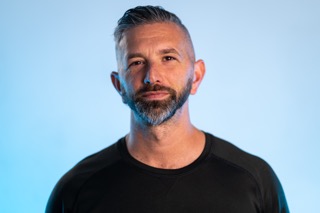
Founder + CEO - Active Life Consulting; Author - Live More. Hurt Less.
Dr. Sean Pastuch is a thought leader in the health and fitness world whose industry disrupting company, Active Life, is bridging the gap between performance and rehabilitation. Dr. Sean believes that the larger the problem, the more valuable the solution. He believes that the biggest problem worth solving is the absence of healthcare, and the abundance of sick care in the United States and Internationally. That is why the mission of Active Life is to humanize the doctor, professionalize the coach, and empower the individual.